

What Causes Shortness of Breath?
Shortness of breath isn’t always asthma. Common causes include:
- COPD (Chronic Obstructive Pulmonary Disease) – persistent cough, wheezing, and fatigue
- Heart problems – heart failure or arrhythmias can reduce oxygen delivery
- Pulmonary embolism – blood clots in the lungs causing sudden breathlessness
- Lung scarring or fibrosis – reduces oxygen transfer into the blood
- Anxiety or panic attacks – triggers rapid, shallow breathing
Red flag: Seek immediate medical attention if shortness of breath appears suddenly, worsens quickly, or comes with chest pain.
Many people assume shortness of breath equals asthma, but that’s not always true. Shortness of breath, or dyspnea, can signal serious lung or heart conditions. Early recognition and evaluation are essential for accurate diagnosis and effective treatment.
In this article, we’ll explain common causes beyond asthma, how to know when to see a doctor, which tests may be recommended, and practical lifestyle strategies to support breathing.
Common Causes of Shortness of Breath
1. Chronic Obstructive Pulmonary Disease (COPD)
COPD, including chronic bronchitis and emphysema, is often caused by long-term smoking or exposure to irritants. Symptoms typically develop gradually. 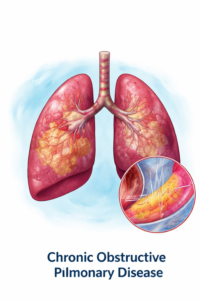
Signs of COPD:
- Persistent cough with mucus
- Wheezing or noisy breathing
- Fatigue during daily activities
- Gradual worsening of shortness of breath
Tip: COPD can look similar to asthma, but it usually develops slowly over years. Early diagnosis helps prevent lung damage.
2. Heart-Related Causes
Heart problems can also make breathing difficult. Common conditions include: 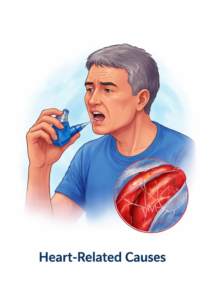
- Heart failure: Fluid buildup in the lungs causes shortness of breath, especially when lying down
- Arrhythmias: Irregular heart rhythms can trigger sudden breathlessness
- Coronary artery disease: Reduced blood flow affects oxygen delivery
Watch for: Breathlessness with chest pain, dizziness, or swelling in the legs.
3. Pulmonary Embolism (Blood Clots in the Lungs)
A pulmonary embolism (PE) happens when a blood clot travels to the lungs, blocking blood flow.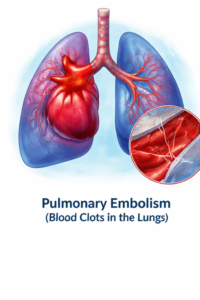
Symptoms of PE:
- Sudden shortness of breath
- Sharp, stabbing chest pain
- Rapid heartbeat or palpitations
- Coughing up blood
Emergency: Pulmonary embolism is life-threatening. Call 911 if you experience these symptoms.
4. Interstitial Lung Disease & Pulmonary Fibrosis
Some lung conditions cause scarring, making oxygen transfer difficult.
Symptoms include:
- Gradually worsening shortness of breath
- Persistent dry cough
- Fatigue or low exercise tolerance
Early detection is important. Treatments can slow progression and improve quality of life.
5. Anxiety and Panic Disorders
Anxiety can trigger shortness of breath even without lung or heart disease.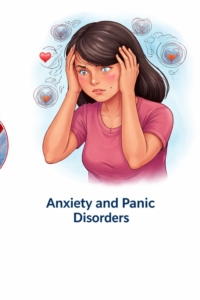
Common signs:
- Rapid, shallow breathing
- Chest tightness
- Racing heartbeat or dizziness
Always rule out physical causes before assuming anxiety.
When to See a Doctor
See a doctor promptly if you notice:
- Sudden or worsening shortness of breath
- Breathlessness at rest or interfering with daily life
- Chest pain, dizziness, fainting, or swelling
- Persistent symptoms without a clear cause
Early evaluation can detect conditions like COPD, pulmonary embolism, or heart disease before complications arise.
Tests to Identify the Cause
Your doctor may recommend: 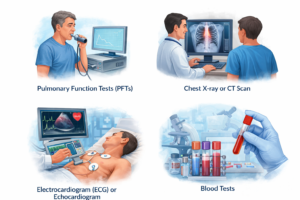
- Pulmonary Function Tests (PFTs) – measures airflow and lung capacity
- Chest X-ray or CT Scan – detects structural issues or fluid
- Electrocardiogram (ECG) or Echocardiogram – evaluates heart function
- Blood Tests – detects infection, anemia, or inflammation
Lifestyle Tips to Support Healthy Breathing
In addition to medical care, these strategies help support lung health:
- Quit smoking and avoid secondhand smoke
- Exercise safely – walking, swimming, or pulmonary rehab
- Practice breathing exercises – pursed-lip or diaphragmatic breathing
- Maintain a healthy weight
- Minimize exposure to pollutants and allergens
FAQs
Q1: Can shortness of breath happen suddenly without asthma?
Yes. Sudden breathlessness may be caused by pulmonary embolism, heart problems, or infections. Immediate medical attention is recommended.
Q2: Can anxiety cause real difficulty breathing?
Yes. Anxiety can trigger rapid, shallow breathing, but physical causes should be ruled out first.
Q3: How can I tell if my shortness of breath is serious?
Red flags include chest pain, fainting, rapid heartbeat, or difficulty breathing at rest. Seek urgent care.
Q4: What tests help identify the cause of shortness of breath?
Common tests include Pulmonary Function Tests, chest imaging, ECG/echocardiogram, and blood tests.
Key Takeaways
Shortness of breath is not always caused by asthma. It can also result from COPD, heart problems, pulmonary embolism, lung scarring, or anxiety. Recognizing symptoms early and seeking proper evaluation is critical for accurate diagnosis and effective treatment. Additionally, simple lifestyle strategies such as avoiding smoking, exercising safely, practicing breathing exercises, maintaining a healthy weight, and reducing exposure to pollutants can support lung health and improve breathing.
Call to Action
If you’re experiencing persistent or unexplained shortness of breath, don’t wait. Schedule a lung evaluation with our pulmonologists today for expert care and peace of mind.